
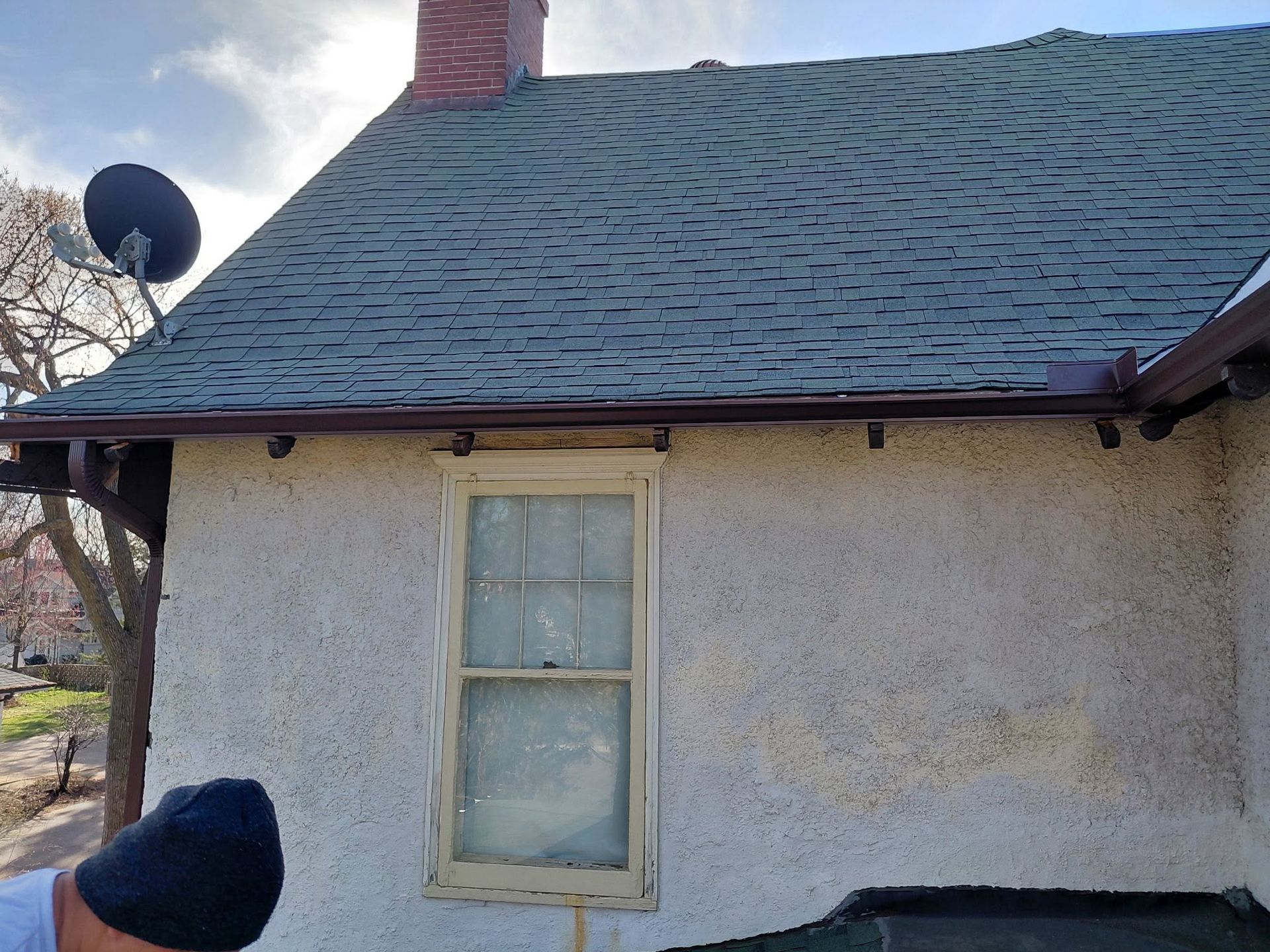
Roofs That Stop Minnesota Storm Damage
Roof Repairs and Replacement in Little Falls for leak identification and aging shingles
Storm damage shows up as missing shingle tabs after high winds, granule loss in valleys where water concentrates, and ceiling stains where ice dams forced water under flashing. Homeowners throughout Central Minnesota need proactive roof maintenance to catch deterioration before leaks damage insulation and drywall, especially after hail events that bruise shingles without creating immediately visible failures. Levi's Seamless Gutters and Outdoors LLC provides roof inspections, repairs, and full replacements across Little Falls, addressing aging materials that no longer seal against Minnesota's snow loads and temperature extremes.
Roof inspections identify compromised areas by checking shingle adhesion, examining flashing around chimneys and vents, and looking for soft spots in decking that indicate hidden leaks. Repair work ranges from replacing torn sections and resealing flashing to addressing ventilation problems that accelerate shingle aging, while full replacements involve removing old materials down to decking and installing complete weather barriers with properly integrated drip edges and valley liners.
Schedule a roof inspection to document current conditions and identify repair priorities before minor issues expand into structural problems.
What You Notice Once Roofing Work Completes
Roof replacement starts with removing existing shingles and inspecting sheathing for rot or delamination caused by previous leaks, then installing ice and water shield along eaves and valleys before laying underlayment across the entire deck. Shingles get nailed according to manufacturer specifications for wind resistance, with starter courses preventing wind-driven rain entry at roof edges and ridge cap shingles sealed to block snow infiltration during blizzard conditions common in Central Minnesota winters.
After work finishes, attic temperatures stay more consistent because proper ventilation reduces heat buildup, gutters fill with less granular debris since new shingles shed fewer particles, and interior ceilings no longer develop water stains during spring thaw cycles. Quality materials and dependable workmanship produce roofs that maintain seal integrity through repeated freeze-thaw cycles without lifting or curling at tab edges.
Complete roofing solutions often pair with gutter replacement and fascia repair since exposing roof edges during shingle removal provides access to rotted boards and allows proper integration of drip edge flashing with gutter mounting surfaces. Maintenance recommendations typically include annual inspections after severe weather and clearing debris from valleys where standing water accelerates wear.
Answers to Frequent Service Questions
Homeowners preparing for roofing work want to understand timing, material selection, and how to evaluate whether repair or replacement makes financial sense.
What signs indicate a roof needs replacement rather than repair?
Widespread granule loss exposing the asphalt layer, multiple leaks across different roof sections, and shingles that have passed their expected lifespan all point toward replacement since piecemeal repairs become costlier than installing a complete new roof.
How does roofing work integrate with gutter systems?
Replacing a roof provides the opportunity to install drip edge flashing that directs water into gutters rather than behind fascia boards, and allows repositioning gutter hangers to achieve proper pitch without working around existing shingle edges.
When is the best time to schedule roof replacement in Little Falls?
Late spring through early fall offers the most consistent installation weather, though emergency repairs happen year-round when leaks threaten interior damage regardless of temperature.
What roofing materials perform best in Minnesota weather?
Architectural shingles with impact ratings withstand hail better than three-tab products, and shingles rated for cold weather maintain flexibility during winter installation when standard products become too brittle to seal properly.
How long does a quality roof last in Central Minnesota conditions?
Properly installed architectural shingles typically last 25 to 30 years when ventilation prevents premature aging and ice dam prevention measures stop water from backing under shingles during freeze-thaw cycles each spring.
Levi's Seamless Gutters and Outdoors LLC combines roofing services with exterior improvements that address related vulnerabilities, from soffit ventilation that reduces attic heat to gutter capacity that handles spring snowmelt without overflow. Arrange a property evaluation to review roof condition and discuss how coordinated exterior work protects your home more effectively than isolated repairs.