
Driveways That Resist Water and UV Damage
Asphalt Sealcoating in Little Falls for extending pavement life on driveways and parking lots exposed to moisture and freeze-thaw cycles
Unsealed asphalt absorbs water, oil, and UV radiation that break down binder materials holding aggregate together, leading to surface cracking, crumbling edges, and potholes that accelerate once freeze-thaw cycles begin. Sealcoating creates a protective layer over the pavement surface that blocks moisture penetration and reflects UV exposure, slowing oxidation that turns asphalt brittle and gray. Levi's Seamless Gutters and Outdoors LLC prepares surfaces by cleaning debris, filling cracks, and ensuring pavement is dry before applying sealant, because coating over dirty or damp asphalt reduces adhesion and shortens the protective lifespan.
The sealant works by filling surface voids and creating a barrier that prevents water from reaching the base material underneath, which matters in Central Minnesota where spring thaw and winter freezing expand any moisture trapped in pavement layers. Routine sealcoating—typically every two to three years depending on traffic and weather exposure—costs less than resurfacing or replacing deteriorated asphalt that's been neglected. Both residential driveways and commercial parking lots benefit from the protection, though high-traffic areas wear through sealant faster and may require more frequent reapplication.
Request a free estimate to evaluate your pavement condition and determine sealcoating timing based on current surface wear.
What Sealcoating Does for Pavement Longevity
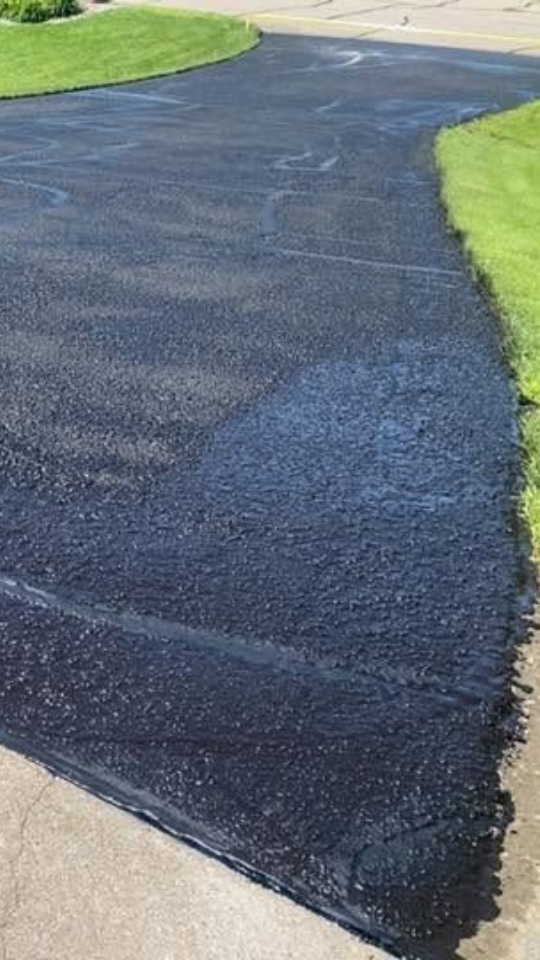
Once sealant cures, your pavement surface appears uniformly dark instead of faded and patchy, with a smooth texture that resists oil stains and makes snow removal easier during winter months. The coating fills minor surface imperfections and creates a consistent appearance across the entire driveway or parking area, improving curb appeal while delivering functional protection. You'll notice that water beads and runs off the surface instead of soaking into the asphalt, which prevents the subsurface erosion that leads to settling and depression formation.
Sealcoating slows oxidation caused by UV exposure, which keeps the asphalt binder flexible rather than allowing it to become brittle and prone to cracking under temperature changes. Properly sealed pavement resists damage from gasoline, oil, and chemical spills that dissolve unsealed asphalt and create soft spots. The treatment also reduces maintenance costs over the pavement's lifespan by preventing small surface issues from expanding into structural failures that require excavation and repaving.
Surface preparation matters as much as the sealant itself—pavement must be clean, dry, and structurally sound before coating begins. Sealcoating doesn't repair deep cracks, potholes, or base failures; it protects pavement that's already in serviceable condition. Application timing depends on temperature and humidity because sealant needs proper curing conditions to bond effectively, which typically limits the work window to late spring through early fall in Minnesota's climate.
What Property Owners Ask About Sealcoating
Questions about sealcoating typically focus on application timing, surface preparation requirements, and how the treatment protects asphalt from Minnesota weather conditions.
What does sealcoating protect asphalt from?
Sealcoating blocks moisture infiltration, UV oxidation, oil and chemical penetration, and surface wear from traffic, all of which break down asphalt binder and lead to cracking and crumbling.
How often should driveways in Little Falls be sealed?
Most residential driveways benefit from sealcoating every two to three years depending on traffic volume, sun exposure, and how quickly the previous coat shows wear or fading.
When is the best time to apply sealant?
Apply when temperatures stay above fifty degrees for at least twenty-four hours after application, allowing proper curing before vehicle traffic or weather exposure, which typically means late spring through early fall.
Why does asphalt need to be cleaned before sealing?
Dirt, oil, and debris prevent sealant from bonding to the pavement surface, reducing adhesion and allowing the coating to peel or wear prematurely under traffic.
What happens if cracks aren't filled before sealcoating?
Sealant flows into cracks but doesn't fill or repair them structurally, so water continues infiltrating through those openings and expanding during freeze-thaw cycles even after coating.
Levi's Seamless Gutters and Outdoors LLC evaluates pavement condition and prepares surfaces properly before applying sealant to residential and commercial properties. Contact us for an estimate that includes surface preparation, crack filling if needed, and sealcoating application tailored to your pavement's current condition.