
Systems That Reduce Seasonal Cleaning Demands
Gutter Cover & Guard Installation in Little Falls for homes where frequent leaf and pine needle buildup requires constant clearing
Pine needles slipping through standard screens, maple leaves matting into solid blockages, and seed pods accumulating until water overflows edges instead of reaching downspouts—these debris patterns force homeowners onto ladders multiple times each season just to maintain basic drainage function. Gutter guards installed over existing seamless systems reduce the frequency and intensity of cleaning by blocking larger organic matter while allowing water to enter through perforations, mesh openings, or surface tension designs that let precipitation follow the cover into the trough below. Levi's Seamless Gutters and Outdoors LLC customizes guard installations for each property, matching cover style to the specific tree species, roof pitch, and gutter profile already in place.
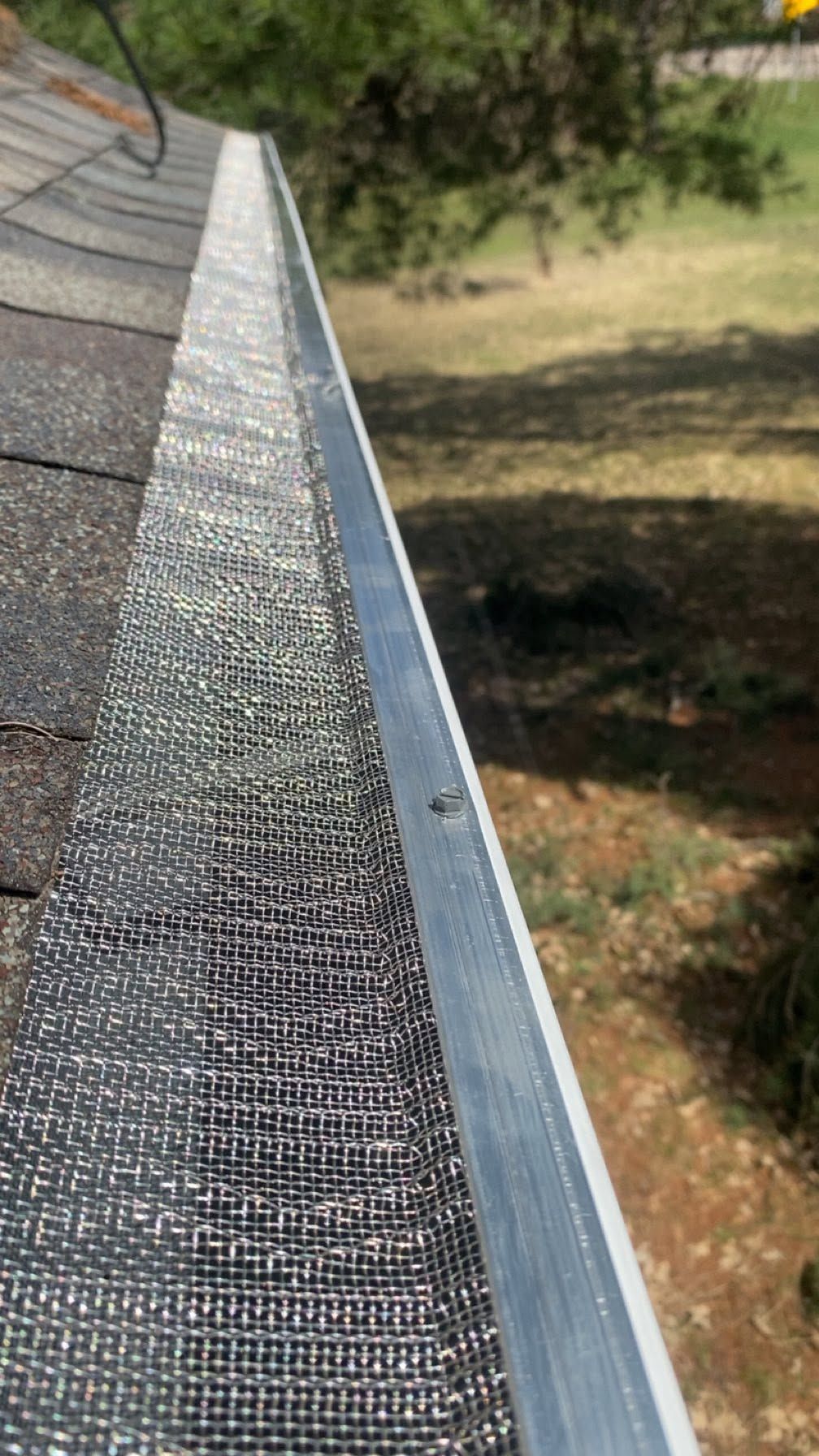
Different guard types handle different debris challenges: micro-mesh screens stop pine needles and shingle grit, solid covers with nose-forward edges use surface tension to separate water from leaves, and perforated aluminum inserts allow flow while blocking larger twigs and seed clusters. Compatibility with your current gutter system depends on trough width, hanger style, and whether the fascia allows mounting hardware without compromising structural integrity.
Request a free consultation to review guard options suited to your roof design and the types of debris affecting your property.
How Guards Improve Water Flow While Minimizing Maintenance
Gutter guard installation involves securing covers or inserts along the entire gutter length, ensuring edges align properly to prevent gaps where debris can enter, and verifying that water flowing off the roof meets the guard surface at an angle that encourages entry rather than sheeting over the top during heavy rain. Some designs require shimming or angling to match specific roof pitches, while others integrate directly with the gutter lip using fasteners that don't penetrate the trough itself.
After installation, you'll notice leaves and needles accumulating on top of guards where wind eventually blows them away instead of settling into wet clumps inside gutters, reduced need for ladder access since the majority of debris never enters the trough, and water flowing freely toward downspouts even during autumn storms when unprotected gutters would clog completely. Minnesota's changing seasons—spring pollen, summer storms, fall leaf drop, and winter ice—test guard durability, so installations use corrosion-resistant materials and fastening methods that withstand freeze-thaw expansion without loosening or cracking.
Guards don't eliminate maintenance entirely; fine sediment, shingle granules, and decomposed organic matter still require occasional rinsing, typically once or twice annually rather than the monthly cleanings needed for open gutters surrounded by mature trees. The system works best when guards match the debris profile specific to your landscape—properties near pines benefit from tighter mesh, while homes under deciduous canopies perform well with surface tension designs that shed larger leaves.
What Property Owners Usually Ask
Guard installation decisions often hinge on understanding which designs work for specific roof and vegetation conditions, and what realistic maintenance reduction looks like.
What types of debris do guards handle most effectively?
Larger leaves, twigs, and seed pods are blocked by most designs, but fine particles like pine needles and shingle grit require micro-mesh or very small perforations to prevent entry while maintaining adequate water flow during heavy rains.
How do guards perform during Little Falls winters?
Ice can form on guard surfaces if water doesn't drain completely before freezing, so proper gutter slope and guard angle are critical to prevent ice dams from building up on the cover itself and blocking spring meltwater flow.
Why do some guards work better with certain roof pitches?
Steeper roofs send water off at higher velocity, requiring guards with larger openings or surface tension edges to catch fast-moving runoff, while low-slope roofs allow gentler flow that works with finer mesh designs.
When should existing gutters be repaired before adding guards?
Sagging sections, loose fasteners, or improper slope must be corrected first since guards add weight and won't function properly if the underlying gutter system doesn't already drain effectively.
What maintenance do guards still require after installation?
Periodic rinsing to remove accumulated sediment, checking that fasteners remain tight after winter ice expansion, and clearing any debris buildups that prevent water from reaching the gutter opening during peak flow events.
Levi's Seamless Gutters and Outdoors LLC evaluates your current gutter condition, tree coverage patterns, and roof characteristics to recommend guard styles that provide meaningful debris reduction without creating new problems like overflow or ice buildup. Contact the business at (320) 630-7875 to discuss guard options and receive a customized installation plan for your Little Falls property.