
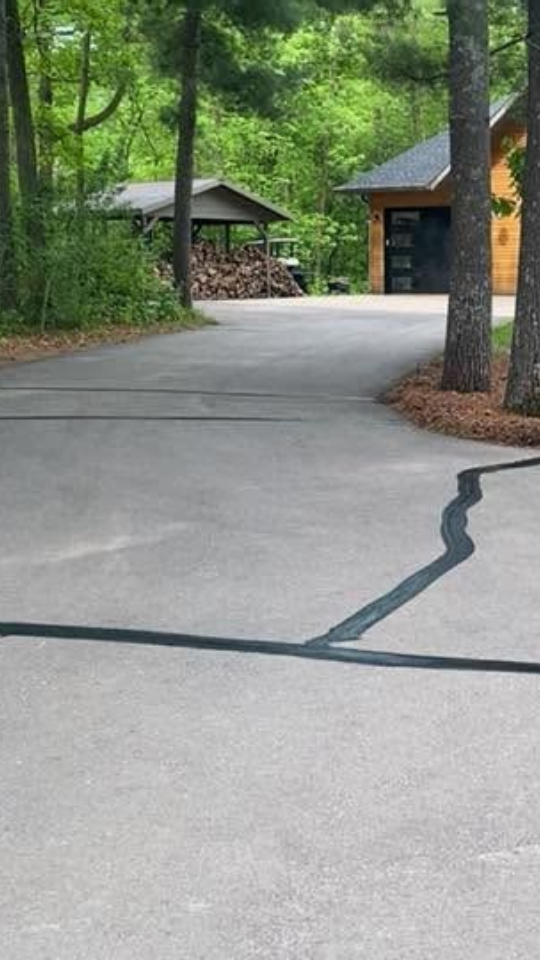
Pavement That Stops Deteriorating at the Cracks
Asphalt Crack Filling & Repair in Little Falls for preventing water infiltration before freeze-thaw cycles expand surface damage
Minnesota's seasonal freeze-thaw cycles turn small cracks into structural failures because water seeps into surface openings, freezes, expands, and breaks apart surrounding pavement each winter. Sealing cracks before they widen prevents this cycle by blocking water infiltration and stopping the progressive damage that starts at the surface and works down to the base material. Levi's Seamless Gutters and Outdoors LLC fills cracks using rubberized sealant that flexes with temperature changes, maintaining a bond even when pavement expands during summer heat or contracts in winter cold. Properties with aging driveways or parking lots see the most benefit because existing pavement already shows stress cracks from years of traffic and weather exposure.
Crack repair works by filling the opening completely and creating a flexible seal that moves with the pavement rather than cracking apart during thermal expansion cycles. Untreated cracks allow water to reach the aggregate base beneath the asphalt, washing away supporting material and creating voids that cause settling, depression formation, and eventual pothole development. Timely crack filling costs significantly less than resurfacing or replacing sections of pavement once base failure occurs, making it a cost-effective maintenance step in ongoing pavement care programs for both residential and commercial properties.
Arrange a maintenance consultation to assess crack severity and plan repairs before winter weather accelerates pavement deterioration.
Why Timely Crack Repair Prevents Larger Problems
Filled cracks stop water from penetrating below the asphalt surface, which prevents base erosion and maintains the structural support underneath the pavement. Once sealed, cracks no longer expand during freeze-thaw cycles because water can't enter the opening, freeze, and force the pavement apart from within. You'll notice that sealed sections remain level and intact while untreated cracks nearby continue widening and developing secondary branching cracks that spread across the pavement surface.
Crack filling extends pavement lifespan by addressing damage early, before surface problems become structural issues requiring excavation and base repair. The sealant remains flexible across Minnesota's temperature extremes, which range from subzero winter cold to summer heat that softens asphalt. Pavement that receives regular crack maintenance as part of a broader care program—including sealcoating and drainage management—outlasts neglected surfaces by years because each maintenance step prevents compounding damage.
Crack repair doesn't reverse existing base damage or restore pavement that's already settled or developed potholes; it stops additional deterioration in pavement that still has structural integrity. The repair integrates with sealcoating programs because both treatments protect asphalt from moisture damage, though crack filling addresses specific openings while sealcoating covers the entire surface. Optimal timing for crack repair is before winter, giving sealant time to cure and preventing water infiltration during the freeze-thaw season when damage accelerates most rapidly.
Answers to Frequent Crack Repair Questions
Homeowners and commercial property managers typically want to know how crack filling prevents larger pavement problems and when repairs should happen.
What happens if cracks aren't sealed before winter?
Water enters the cracks, freezes, expands, and forces the pavement apart, widening the opening and allowing more water infiltration during the next thaw, which accelerates deterioration each freeze-thaw cycle.
How does crack filling differ from patching potholes?
Crack filling seals surface openings before they become structural failures, while pothole patching repairs areas where the pavement and base have already collapsed and require aggregate replacement and compaction.
When should asphalt cracks be repaired in Central Minnesota?
Repair cracks during warm, dry weather before winter begins, allowing sealant to cure properly and creating a barrier against moisture before freeze-thaw cycles start expanding damage.
Why do some cracks return after being filled?
If the base material beneath the asphalt has eroded or settled, the pavement continues moving and can reopen cracks, especially in areas with poor drainage or heavy traffic stress.
What size cracks need professional filling?
Cracks wider than a quarter-inch or longer than a few feet allow enough water infiltration to cause base damage and should be filled to prevent expansion during freeze-thaw cycles.
Levi's Seamless Gutters and Outdoors LLC evaluates pavement condition and recommends crack repairs as part of routine maintenance to extend asphalt lifespan. Schedule a property assessment to identify cracks that need sealing before they develop into larger structural issues.