Surfaces That Stay Clean Without Damage
Exterior Soft Washing & Pressure Washing in Little Falls for removing algae, mold, and stains from siding, concrete, and outdoor surfaces
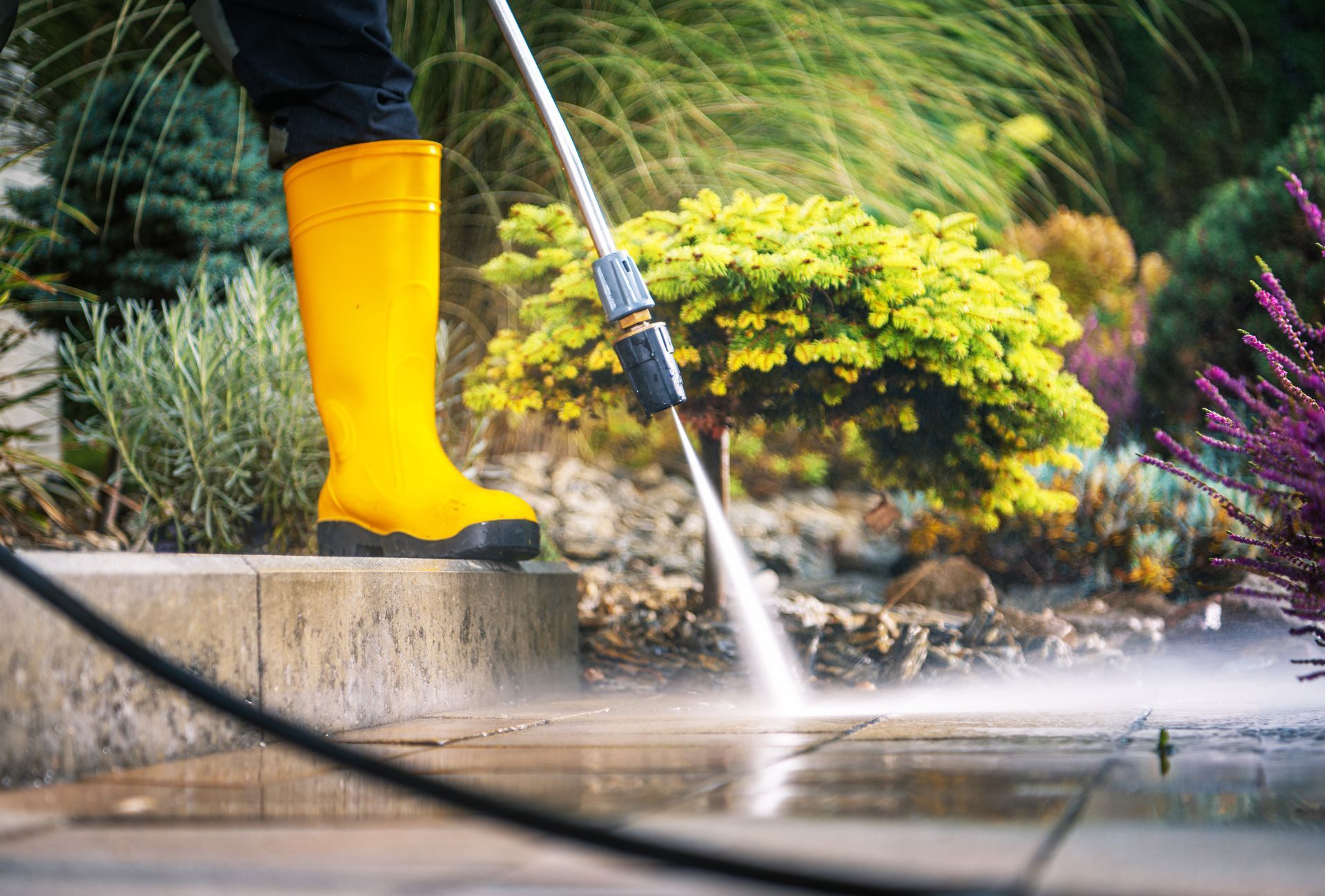
Dirt, algae, mold, mildew, and organic stains accumulate on exterior surfaces over time, creating discoloration and biological growth that degrades materials if left untreated. Choosing between soft washing and pressure washing depends on the surface material and what type of buildup needs removal—soft washing uses low-pressure water with cleaning solutions to dissolve contaminants without damaging delicate surfaces, while pressure washing relies on high-pressure water to blast away dirt and stains from durable materials like concrete and brick. Levi's Seamless Gutters and Outdoors LLC matches the cleaning method to each surface, using soft washing for vinyl siding, painted wood, and composite decking where high pressure would strip finishes or crack materials, and pressure washing for driveways, patios, and concrete walkways where force removes embedded grime effectively.
The cleaning process removes not just visible dirt but also algae and mold that hold moisture against surfaces and accelerate deterioration. Organic growth on siding creates dark streaks and discoloration, while mildew on decks makes wood slippery and prone to rot. Regular exterior cleaning protects material investment by removing contaminants before they cause permanent staining or structural damage, which matters for maintaining curb appeal and preventing costly repairs or premature replacement.
Book a seasonal exterior cleaning to restore surface appearance and remove buildup that damages materials over time.
What Proper Cleaning Method Selection Requires
Soft washing uses cleaning solutions that break down organic matter and kill mold or algae at the root, then rinses the surface with low-pressure water that won't damage paint, sealant, or composite materials. The chemical action does the cleaning work rather than relying on water pressure, which makes the method effective for surfaces where high pressure would cause harm—vinyl siding can crack, painted wood can lose finish, and roof shingles can lose granules under excessive pressure. You'll see that treated surfaces return to their original color rather than remaining stained or streaked, and biological growth takes longer to return because the cleaning solution eliminates spores.
Pressure washing removes embedded dirt, oil stains, and tire marks from concrete by using focused high-pressure water that dislodges contaminants mechanical cleaning can't reach. Driveways, sidewalks, patios, and parking areas accumulate grime that dulls the surface and creates traction issues when wet; pressure washing restores appearance and removes the slippery film that forms on neglected concrete. Fences, brick walls, and stone surfaces also benefit from pressure washing because these materials tolerate high pressure without damage and often require force to remove years of accumulated weathering.
Both methods improve curb appeal by restoring surfaces to a clean baseline, but they don't repair damage that's already occurred—peeling paint, cracked siding, or deteriorated wood need separate repair before or after cleaning. Frequency of cleaning depends on how quickly organic growth returns, which varies based on sun exposure, humidity, and proximity to trees or landscaping that shed organic material. Properties in shaded areas or near wooded lots typically need cleaning more often because moisture and organic debris create ideal conditions for algae and mold colonization.
Questions Homeowners Ask About Surface Cleaning
Property owners considering exterior cleaning want to understand method selection, surface safety, and cleaning frequency before scheduling service.
What surfaces require soft washing instead of pressure washing?
Vinyl siding, painted wood, composite decking, stucco, and any surface with finishes or coatings that high pressure would strip, crack, or damage need soft washing with chemical cleaners and low-pressure rinsing.
How does soft washing kill mold and algae?
Cleaning solutions penetrate organic growth and eliminate it at the cellular level, killing spores and roots rather than just rinsing surface discoloration, which delays regrowth compared to pressure washing alone.
When should I schedule exterior cleaning in Little Falls?
Schedule during spring or fall when temperatures support effective cleaning solution performance and allow surfaces to dry properly before winter weather or summer heat stress materials.
Why does algae return faster on some surfaces?
Shaded areas, north-facing walls, and surfaces near landscaping or under tree canopies stay damp longer and accumulate organic debris that feeds algae and mold growth, requiring more frequent cleaning.
What's the difference between cleaning methods for decks versus driveways?
Decks need soft washing to avoid damaging wood fibers or composite materials, while concrete driveways tolerate high-pressure washing that removes embedded oil stains and tire marks effectively.
Levi's Seamless Gutters and Outdoors LLC selects the appropriate cleaning method based on surface material and contamination type to restore appearance without causing damage. Arrange an exterior cleaning appointment to remove buildup from siding, concrete, decks, fences, and other outdoor surfaces around your property.